

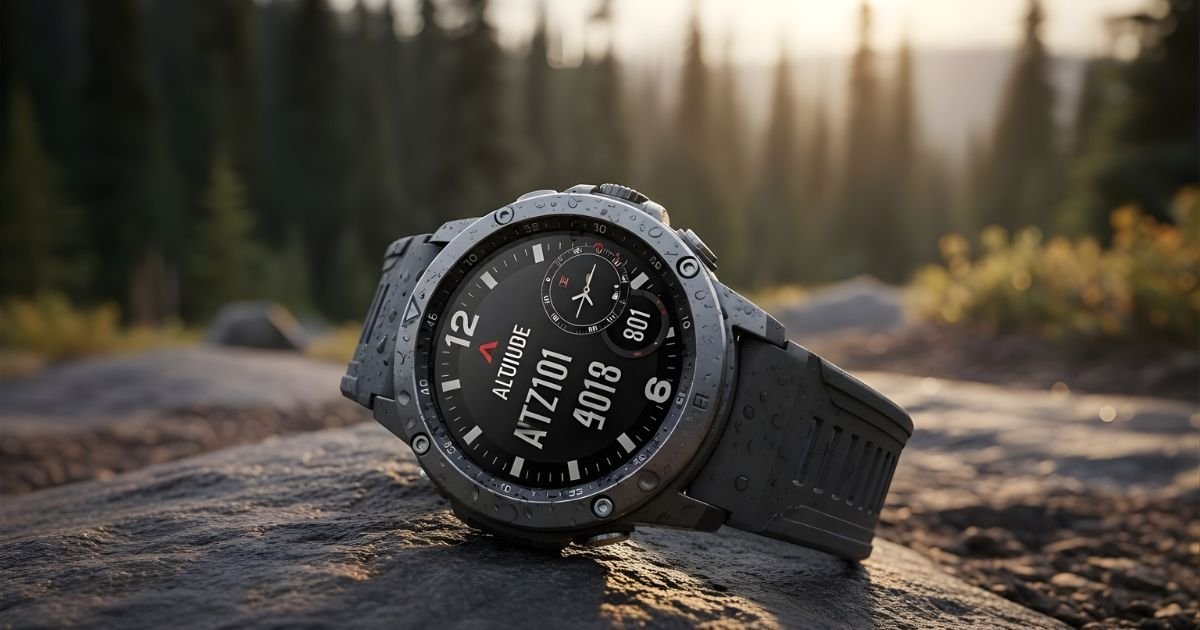
When sinking your money into a smartwatch, it’s not enough for it to look good; it needs to be able to take a hit. If you’re an outdoorsy type who hikes mountain trails, a construction worker on the job, or just have an active lifestyle and sometimes bump into things, you need a companion that can handle your day.
Which Smartwatch Is Most Durable? has grown in importance as these deviceshaves transformed from fragile toys to robust sidekicks. The strongest smartwatches today are military-grade, with sapphire crystal displays and titanium casings – they even have high-level IP ratings.
In this guide, we’ll discuss what makes certain smartwatches more durable than others, and we’ll give you some recommendations on the best durable watches in a few different categories.
What Makes a Smartwatch Durable?
Before diving into specific models, let’s understand the key factors that determine smartwatch durability. Knowing these elements will help you make an informed decision when selecting your next wearable.
Military-Grade Standards (MIL-STD-810)
The gold standard for rugged devices is the MIL-STD-810 certification. Originally developed for military equipment, this testing protocol subjects devices to extreme temperatures, shock, vibration, humidity, and altitude changes.
Smartwatches bearing this certification have proven they can withstand conditions that would destroy ordinary consumer electronics. When manufacturers claim military-grade durability, they’re specifically referring to this rigorous testing standard that pushes devices to their absolute limits.
Display Protection Technology
Your smartwatch screen is its most vulnerable component. The difference between sapphire crystal, Gorilla Glass, and standard glass is substantial. Sapphire crystal ranks 9 on the Mohs hardness scale, making it nearly scratch-proof and highly resistant to shattering.
Gorilla Glass, while not quite as hard, offers excellent impact resistance and comes in various generations, each improving upon the last. The display protection you choose will largely determine how well your watch survives daily wear and the inevitable encounters with door frames, countertops, and pavement.
Water Resistance Ratings Explained
Water resistance ratings are confusing, but important for durability. The IP68 rating offers dust-tight and water submersion protection up to 1.5 meters for 30 minutes. ATM ratings refer to atmospheric pressure resistance; 5 ATM will withstand rain and splashes , and 10 ATM supports swimming and snorkeling.
Professional dive watches begin at 20 ATM in depth or 200 meters. Knowing these ratings will prevent you from tasks that are beyond the capabilities of your smartwatch, and this is as important as getting a highly rated model in the first place..
The Most Durable Smartwatch Options Available
Now that we understand what constitutes durability, let’s examine the toughest contenders currently dominating the market. Each brings unique strengths to different use cases.
Garmin Fenix 7X Sapphire Solar: The Outdoor Champion
The Garmin Fenix 7X is the ultimate outdoor smartwatch. This bad boy was made with a fiber-reinforced polycarbonate case and scratch-resistant sapphire lens, so it can take anything Mother Nature throws its way.
The watch complies with military standards for thermal, shock , and water resistance, delivering confidence from the Arctic ice shelf to the middle of the desert. Its Power Sapphire lens is scratch-resistant and solar-powered, so it will keep time in the most remote places on earth.
It has a 10 ATM water resistance rating, which makes the Mako IV suitable for swimming, surfing, and diving. The reinforced housing prevents the internal pieces from dropping and impacts that would smash inferior watches. “There is not a wrist watch that even comes as close to being tested for abuse and making it through.
Apple Watch Ultra 2: Premium Durability Meets Ecosystem
Apple’s entry into the rugged smartwatch arena proved they could compete with specialized manufacturers. The Ultra 2 features a titanium case that’s significantly stronger than the aluminum used in standard Apple Watches, yet remains surprisingly lightweight.
The flat sapphire front crystal extends slightly beyond the display, creating a protective barrier against edge impacts—a clever design detail that prevents the common cracked screen scenario. Certified to MIL-STD-810H standards and rated for 100 meters of water resistance, this watch handles recreational diving, high-speed water sports, and extreme temperature swings.
The enhanced GPS accuracy and cellular connectivity mean you stay connected even in challenging environments. For iPhone users who refuse to compromise between ecosystem integration and durability, the Apple Watch Ultra 2 delivers both without apology.
Samsung Galaxy Watch Ultra: The Android Powerhouse
Samsung engineered the Galaxy Watch Ultra specifically to challenge Apple’s dominance in the premium rugged category. The titanium frame paired with sapphire crystal creates formidable protection, while the 10 ATM water resistance rating supports serious aquatic activities.
What sets this watch apart is the cushion design that absorbs impacts before they reach sensitive internal components. Samsung subjected this model to rigorous drop testing, extreme temperature cycling, and pressure testing that simulates deep-sea conditions.
The watch survived situations that would render typical smartwatches inoperable. Android users finally have a flagship option that doesn’t sacrifice toughness for features. The rotating bezel, a Samsung signature, adds tactile control that works even with wet or gloved hands—a practical consideration for real-world durability.
Casio G-Shock GBD-H2000: The Classic Reinvented
Casio practically invented the concept of indestructible watches with the G-Shock line, and the GBD-H2000 brings that legendary toughness into the smart era. The shock-resistant structure uses Casio’s proprietary multi-layer protection system that has protected watches for over four decades.
Unlike pretty smartwatches that prioritize aesthetics, this model embraces its utilitarian purpose with bold, functional design. The carbon core guard structure creates an internal cage that protects components from multi-directional impacts. With 20 ATM water resistance, it surpasses most competitors in aquatic durability.
Solar charging means you’re never hunting for a charger during extended adventures. While it may not offer the app ecosystem of Apple or Samsung, when answering which smartwatch is most durable, the G-Shock lineage speaks for itself through proven reliability across millions of users in the harshest conditions imaginable.
Understanding Your Durability Needs
The perfect tough smartwatch for you is one that has features tailored to your life and risks. In fact, not everybody requires that same level of security, and knowing what you actually need can save on purchasing too much or not enough coverage for your assets.
Consider your day-to-day world and what you normally do in it. Construction workers expose themselves to constant impact hazards, material scratches, and dust – the need for military-grade shock protection with time-tested build quality and airtight seals.
ATM ratings are important, as is saltwater resistance and seals that don’t get eaten by chlorine or degraded from constant exposure to ocean water. Hikers and climbers are the main beneficiaries of altitude compensation, ttemperature-resistantand long battery life because there is little chance to recharge in the wilderness.
If running only comes in spurts for an office worker, mid-tier durability is adequate; their greatest threats are accidental knocks, not brutal conditions.
Durability Features Worth Paying Extra For
When comparing models at different price points, certain durability upgrades justify their premium costs while others offer diminishing returns. Let’s examine which features truly matter.
Sapphire Crystal vs. Gorilla Glass
The sapphire crystal upgrade typically adds $100-200 to a smartwatch’s price, but for long-term durability, it’s worth every penny. Standard Gorilla Glass develops micro-scratches within months of regular wear, degrading display clarity and resale value. Sapphire remains pristine for years, maintaining that new-watch appearance.
If you work with your hands, frequently encounter abrasive materials, or simply want your watch to look new after years of use, sapphire crystal is essential. However, if you replace your watch every two years regardless of condition, standard glass may serve adequately.
Titanium vs. Stainless Steel vs. Aluminum
Material choice significantly impacts both durability and comfort. Titanium offers the best strength-to-weight ratio, resists corrosion better than steel, and won’t irritate sensitive skin. Stainless steel provides excellent durability at lower cost but weighs more.
Aluminum keeps watches light and affordable but dents more easily under impact. For serious athletes and outdoor users, titanium’s combination of toughness and lightness prevents fatigue during extended wear. Casual users might find stainless steel’s durability adequate at a friendlier price point.
Extended Water Resistance
The jump from 5 ATM to 10 ATM costs manufacturers relatively little but doubles your usage scenarios. If there’s any chance you’ll swim, snorkel, or engage in water sports, 10 ATM is the minimum.
The further jump to 20 ATM or dive-rated 100 meters typically coincides with other premium features and represents serious engineering. Unless you’re actually diving, the extreme ratings provide peace of mind more than practical necessity, though they do indicate overall build quality.
Maintaining Your Durable Smartwatch
Maximum Durability. Even the most durable smartwatch needs to be taken care of in order to last. Knowing what it takes to keep your system up is maintenance that essentially both saves Inverter Function and Cosmetics after years of hard knocks.
With regular cleaning, even the most durable watches will suffer less wear and tear. Rinse your watch with fresh water thoroughly after having had contact with salt water, chlorine, sweat,t or dirt. Soft brush, dust around buttons, sensor, rs, and band attachment points where debris accumulates.
Failure to maintain these areas can compromise water seals and sensor performance. Before you charge, make sure your watch is completely dry, as moisture in the charging port may lead to corrosion. Check Seals and gaskets annually, or more often if you see a decline in water resistance. Repair services that restore to original specifications are available from most manufacturers.
Also, software updates matter for durability, though humans frequently forget this link. They make power management better with updates, and keep the battery happier for its entire life as they do.
They also optimize sensor algorithms to avoid overexertion, which happens when the sensors are running harder than they need to be in order to deliver data. Make sure to keep your watch updated, but steer clear of beta software that can bring instability.
Which Smartwatch Is Most Durable for Different Activities?
Matching your smartwatch to your primary activity ensures optimal durability where you need it most. Let’s break down the best choices for specific use cases.
For Extreme Outdoor Adventures: The Garmin Fenix 7X Sapphire Solar dominates this category with its comprehensive environmental protection, extended battery life, and adventure-specific features. Its proven track record on Everest expeditions, polar crossings, and desert ultra-marathons demonstrates real-world toughness beyond laboratory testing.
For Water Sports and Diving: The Garmin Descent series and dedicated dive-rated models offer depth sensors, dive logging, and pressure ratings that exceed 100 meters. While the Apple Watch Ultra 2 handles recreational diving, serious divers need specialized dive computers integrated into smartwatch platforms.
For Urban Athletes and Fitness Enthusiasts: The Apple Watch Ultra 2 or Samsung Galaxy Watch Ultra provide excellent durability for running, cycling, and gym work while maintaining the smart features, app ecosystems, and connectivity that enhance urban life. Their toughness handles rain, sweat, and accidental impacts without the bulk of extreme outdoor watches.
For Budget-Conscious Buyers: The Amazfit T-Rex 2 and several Garmin Instinct models deliver surprising durability at under $300. While they sacrifice premium materials like sapphire and titanium, they maintain military-grade certifications and practical toughness for most users.
The Future of Smartwatch Durability
What is considered durable just keeps getting pushed. Upcoming technologies hold the promise of far more durable models in the years ahead.
And someday, flexible display technology will do away with the screen cracking that is still the number one weak spot on all present smartwatches. Companies are also pursuing curved sapphire and ultra-thin glass that can bend upon impact rather than shatter.
Plastics and ceramics, when reinforced by substances such as graphene, can exhibit even greater strength while being less heavy than titanium. Self-healing coatings that fix small scratches with the help of heat or the sun are making the leap from the lab to market.
Better bbatterytechnology will decrease an unseen durability issue battery loss of capacity. Solid-state batteries and next-generation lithium chemistry should offer longer life spans as well: more charge cycles before capacities fall.
This prolongs the useful life of the watch as a whole, since battery replacement in sealed, water-resistant smartwatches is rarely an option. Improved AI-based predictive maintenance will give these customers visibility into seal degradation, sensor drift, or component stress prior to failure, allowing preventative care that increases lifespan.
They even fine-tune sensor algorithms to avoid over-straining of components, as sensors also struggle if it needs to supply data at a rate that’s higher than necessary.
Conclusion
Selecting the most durable smartwatch will mean weighing your own needs, budget, and ecosystem tastes against what’s out there. is the best extreme outdoor watch and overall, fans ofbadasss watches.
Excellent. The Apple Watch Ultra 2 offers maximum ruggedness for anyone who wants a polished build with full ecosystem support (for iPhone), while the Samsung Galaxy Watch Ultra does so for Android users. The Casio G-Shock GBD-H2000 takes the smart era to something incredibly tough rather than cutting-edge for people who appreciate that purely unbreakable aspect.
Just keep in mind, the most durable smartwatch for you is going to be the one that makes it through your lifestyle and includes features you’ll actually use. One that you wear every day, blunting the total cost with repeated use, of a slightly less rugged watch provides more value than one that simply never gets used because it’s too bulky or doesn’t do something else desirable.
Consider your primary activities, typical risks, aesthetic preferences, and required smart features when making your decision.
Take time to read user reviews from people in similar situations, visit stores to feel the watches on your wrist, and consider starting with a less expensive durable model to understand your actual needs before committing to premium options. Your perfect durable smartwatch is out there now you have the knowledge to find it.
