

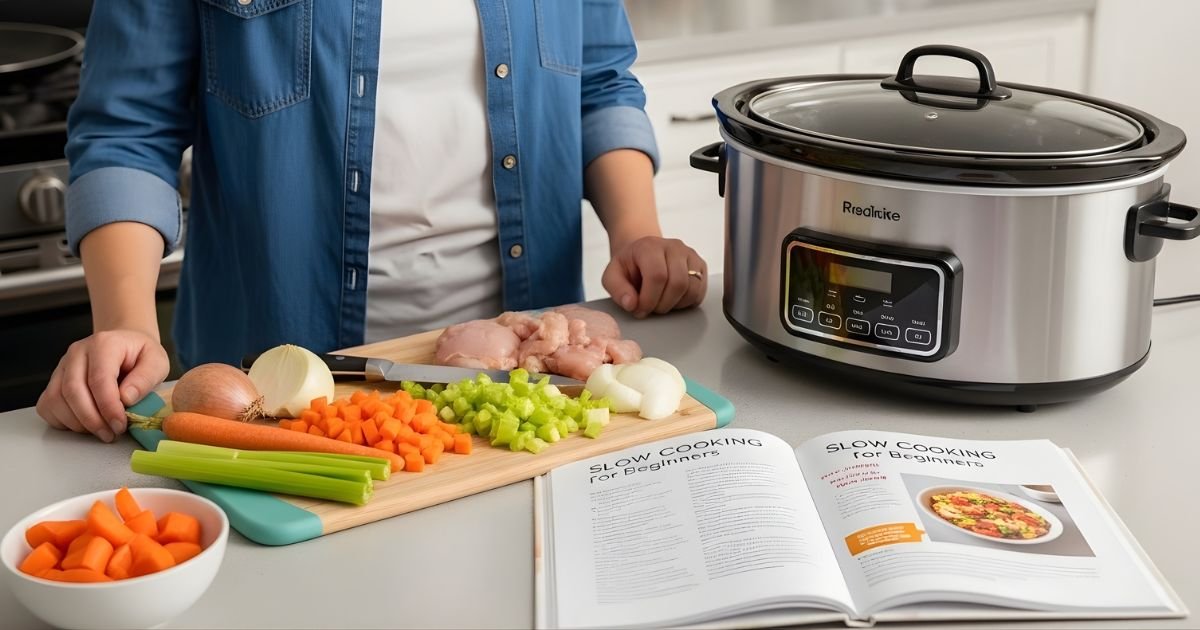
Are you new to slow cooking and wondering how to get started? Using a slow cooker can save you time and make your meals taste amazing, even if you’re not a kitchen pro.
Imagine coming home to a hot, delicious dinner that practically made itself while you were busy. In this guide, you’ll discover simple steps to master your slow cooker, avoid common mistakes, and create meals that impress. Keep reading, and you’ll soon feel confident turning your slow cooker into your best kitchen helper.
Choosing The Right Slow Cooker
Choosing the right slow cooker makes cooking simple and enjoyable. The slow cooker should fit your needs and kitchen space. Picking the right one helps you cook meals easily without stress. Focus on size, features, and budget to find the best slow cooker for you.
Size Matters
Slow cookers come in different sizes. Small ones suit singles or couples. Larger ones work well for families or meal prepping. Think about how many people you cook for. A 3 to 4-quart slow cooker fits 2 to 3 people. A 6 to 7-quart model is good for 4 or more. Choose a size that matches your usual meal portions.
Features To Look For
Look for simple controls with low, high, and warm settings. A timer helps cook food perfectly without watching the clock. Removable stoneware makes cleaning easy. Some slow cookers have locking lids for safe transport. Keep features basic if you want easy use and cleaning.
Budget Considerations
Slow cookers come at many price points. Basic models cost less and work well. Higher-priced ones may offer extra features and better build. Set a budget before shopping. Balance cost with the size and features you need. You do not need the most expensive model to cook good meals.
Basic Slow Cooker Setup
Starting with a slow cooker is simple and fun. Knowing the basic setup helps you cook tasty meals. A good setup saves time and stops mistakes. Follow these easy steps to prepare your slow cooker for cooking success.
Preparing Your Ingredients
Cut your vegetables and meat into even pieces. This helps them cook evenly and faster. Remove extra fat from meat to avoid greasy dishes. Wash vegetables well to keep food clean and fresh. Prepare all ingredients before turning on the slow cooker.
Layering Tips
Put dense vegetables like potatoes and carrots at the bottom. These need more heat to cook properly. Place meat on top of the vegetables. Add delicate vegetables last so they don’t overcook. Layering right helps everything cook well and taste better.
Adding Liquids
Slow cookers need liquids to create steam and cook food. Use broth, water, or sauces as liquids. Add enough liquid to cover about one-third of the food. Avoid adding too much liquid to keep flavors strong. The right amount of liquid keeps food moist and tender.
Cooking Times And Temperatures
Understanding cooking times and temperatures is key to a Slow Cooker success. This helps food cook evenly and taste great. It also keeps meals safe to eat. Different recipes need different settings and times. Learning these basics makes slow cooking easy and fun.
Low Vs High Settings
Slow cookers usually have two main settings: low and high. Low cooks food gently over 6 to 10 hours. It is best for tough meats and soups. High cooks faster, usually in 3 to 5 hours. Use high for quick meals or when you start late. Both settings reach the same temperature but at different speeds.
Adjusting For Different Recipes
Each recipe may need a different time or setting. Stews and roasts often do well on low for hours. Vegetables and small cuts of meat cook faster on high. Follow the recipe’s time, but check food near the end. If food is not tender, cook longer. If it is too soft, reduce the time next time.
Using Timers And Delays
Many a Slow Cooker have timers and delay start options. Timers let you set cooking time and then switch off. This prevents overcooking if you are not home. Delay start lets you set when cooking begins. Use this to have food ready exactly when you want. Always keep food safe by not delaying too long before cooking.
Easy Slow Cooker Recipes
Slow cookers make cooking easy and stress-free. You can prepare meals with little effort. Just add ingredients, set the timer, and let it cook. This section shares simple slow cooker recipes for beginners. These recipes are tasty and perfect for everyday meals.
Hearty Soups And Stews
Soups and stews are great for slow cooking. You can use fresh vegetables, beans, and meat. Add broth and spices, then cook for hours. The slow cooker makes the flavors rich and deep. Try a classic chicken soup or beef stew. These dishes warm you up and fill you up.
Simple Meat Dishes
A Slow Cooker tenderize meat well. Use cuts like pork shoulder or beef chuck. Add simple seasonings and a bit of liquid. Let the slow cooker do the work. You get soft, juicy meat without much effort. Serve with rice, potatoes, or vegetables for a full meal.
Vegetarian Options
Vegetarian meals work well in a Slow Cooker too. Use beans, lentils, and fresh vegetables. Add tomato sauce or broth for moisture. Cook slowly for rich, blended flavors. Try a vegetable chili or lentil curry. These dishes are healthy, filling, and easy to make.
Maintaining And Cleaning Your Slow Cooker
Keeping your slow cooker clean is important for great tasting meals and long-lasting use. Regular care stops food buildup and prevents smells. Cleaning also keeps your slow cooker safe for cooking every day.
Follow simple steps to maintain your slow cooker easily. Clean after each use and treat stains quickly. Store your slow cooker properly to keep it in good shape.
Daily Cleaning Tips
Unplug a Slow Cooker before cleaning. Let it cool down fully. Remove the ceramic pot and lid carefully. Wash these parts with warm water and mild soap. Use a soft sponge to avoid scratches. Rinse well and dry with a cloth. Wipe the outer base with a damp cloth. Avoid soaking the base or using harsh cleaners.
Removing Stubborn Stains
Fill the pot with warm water and a few drops of dish soap. Let it soak for one hour or more. Use a soft brush or sponge to scrub away stains gently. For tough stains, mix baking soda and water into a paste. Apply the paste to the stain and leave for 15 minutes. Scrub lightly and rinse thoroughly. Avoid metal scrubbers that can damage the surface.
Storage Advice
Store a Slow Cooker in a dry place. Make sure all parts are dry before storing. Keep the lid slightly open to avoid odors. Wrap the cord neatly without tight bends. Avoid stacking heavy items on top of your slow cooker. Proper storage protects your appliance and keeps it ready for use.
Troubleshooting Common Issues
Using a slow cooker can simplify meal preparation. Still, some common problems may occur. Knowing how to fix these issues helps ensure tasty results every time. This section covers three frequent slow cooker problems and simple solutions.
Food Not Cooking Evenly
Uneven cooking happens when food is crowded or layered incorrectly. Avoid overfilling the slow cooker. Cut ingredients into similar sizes for uniform cooking. Stir the food halfway through cooking if the recipe allows. Place dense items at the bottom for better heat distribution.
Too Much Liquid
Excess liquid can make meals watery. A Slow Cooker do not let water evaporate fast. Reduce the amount of broth or water in recipes. Use thicker sauces or add less liquid than stovetop recipes suggest. Remove the lid near the end to let some liquid evaporate.
Overcooked Or Undercooked Meals
Overcooking makes food mushy; undercooking leaves it raw. Follow the recommended cooking times carefully. Use the low or high setting as the recipe states. Check the food near the end to avoid overcooking. Use a meat thermometer to ensure proper internal temperature.
Tips To Enhance Flavor
Slow cookers are great for easy meals. But sometimes, the flavor can be mild. Simple tips can make your dishes tastier. Small changes bring big flavor boosts.
Using Fresh Herbs And Spices
Fresh herbs add bright and strong flavors. Add them near the end of cooking. This keeps their taste fresh and clear. Dried herbs work well at the start. Spices like cumin and paprika deepen the dish’s flavor. Use them in small amounts to avoid bitterness.
Browning Meat Before Cooking
Browning meat adds rich, savory flavors. Use a hot pan and brown all sides. This creates a nice crust and seals juices. It also brings out a deeper taste. Browning takes a few extra minutes but makes a big difference. After browning, place meat in a Slow Cooker.
Adding Ingredients At The Right Time
Some ingredients need different cooking times. Root vegetables like carrots and potatoes go in early. They need longer to soften. Delicate vegetables like peas or spinach should be added late. This keeps their texture and color. Dairy products go in near the end to prevent curdling. Timing helps keep flavors fresh and textures perfect.
Frequently Asked Questions
What Are The Basic Steps To Use A Slow Cooker?
Start by prepping your ingredients. Place them in the a Slow Cooker, select the cooking time and temperature. Then, cover and cook until done.
How Long Does Food Take To Cook In A Slow Cooker?
Most recipes take 4 to 8 hours on low or 2 to 4 hours on high. Time varies by ingredient.
Can I Add Frozen Meat Directly To A Slow Cooker?
It’s best to thaw meat first to ensure even cooking and safety. Frozen meat may cook unevenly.
What Foods Should I Avoid In A Slow Cooker?
Avoid quick-cooking vegetables like spinach and seafood, which can overcook and become mushy in slow cooking.
Conclusion
Using a slow cooker is simple and saves time. Just add your ingredients, set the temperature, and wait. Meals cook slowly, making flavors rich and delicious. You can prepare many dishes with little effort. Clean-up is easy, too. Start with easy recipes and try new ones as you go.
Enjoy tasty meals without stress or long cooking. A slow cooker fits any busy lifestyle well. Give it a try and see how cooking can be easier.
