

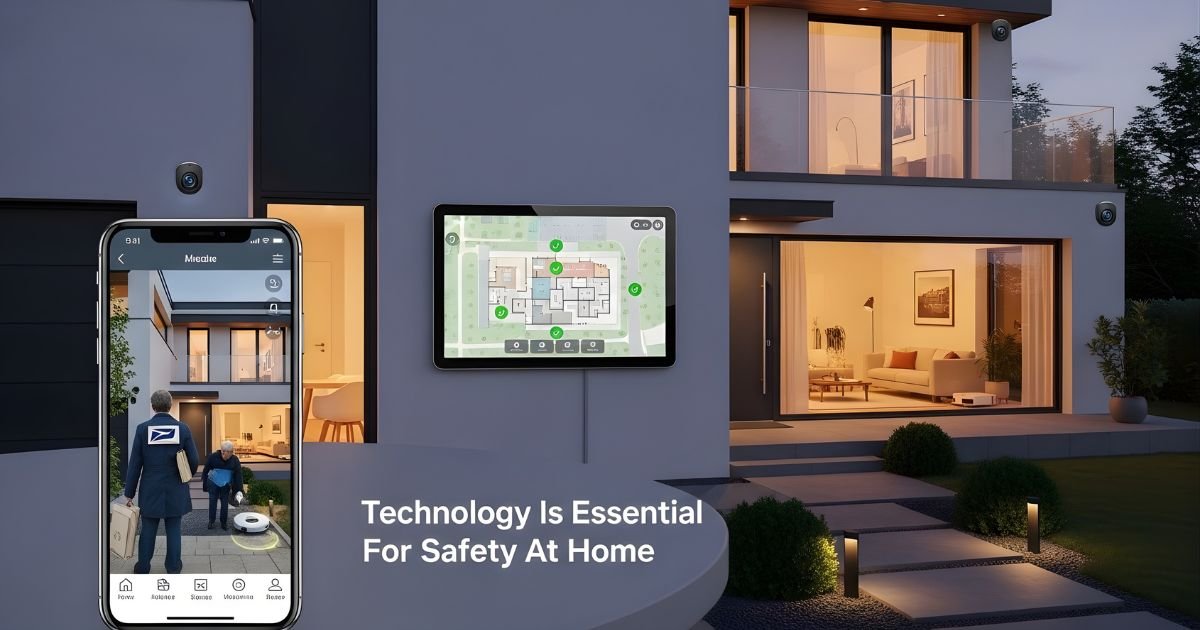
In today’s connected world, technology has become a critical component of home safety. Homes face a variety of risks from break-ins and fires to environmental hazards and medical emergencies. Advances in smart technology, IoT devices, and digital safety tools make it easier than ever to protect loved ones, respond quickly to danger, and create safer living environments for people of all ages.
Smart Security Systems: A New Standard in Protection

Home security has evolved beyond traditional locks and alarms. Modern smart security systems integrate cameras, sensors, and mobile alerts, giving homeowners real-time access and control over their environment. These systems allow you to:
- Monitor live video feeds from anywhere
- Receive instant alerts for unusual activity
- Lock and unlock doors remotely
- Track movement around your home using motion detectors
Unlike conventional alarms, which only sound inside the house, connected systems notify you immediately, improving situational awareness and enabling quicker reactions during emergencies.
Connected Devices That Prevent Dangers Before They Escalate
Technology not only reacts to threats but also prevents them before they become critical. Key devices include:
Fire and Hazard Prevention
Smart smoke and gas detectors send alerts immediately if danger is detected, even when no one is home. Some can notify emergency responders directly for faster action.
Water Leak Detection
Leaks from pipes or appliances can cause severe damage. Smart water sensors detect excess moisture and notify homeowners instantly, helping avoid costly repairs.
Automatic Shut-Off Appliances
Connected appliances can turn off automatically if they detect smoke, overheating, or prolonged inactivity, reducing the risk of fire.
These proactive systems save money and set a new standard for household safety.
Accessibility and Safety for All Ages
Technology improves safety and convenience for every member of the household, from children to older adults. Features like voice control, mobile alerts, and remote monitoring make daily tasks safer and easier. Examples include:
- Smart lighting to reduce fall risks at night
- Smart locks for keyless entry and temporary access
- Video doorbells to see visitors without opening doors
- Voice assistants for hands-free device control
For seniors or those with limited mobility, these technologies promote independence while reducing risks.
Enhancing Daily Safety with Automation
Home automation creates a safer, more responsive environment by anticipating risks before they occur. Examples include:
- Automated lighting to simulate occupancy when the house is empty
- Smart thermostats to prevent extreme temperatures
- Schedule appliances to avoid accidents or misuse
Automation eliminates everyday safety gaps, reduces hazards, and gives homeowners more control over their environment.
Benefits for Families and Peace of Mind
One of the most important advantages of home safety technology is the peace of mind it brings. Real-time monitoring, instant alerts, and remote access allow families to stay connected and informed at all times. This reassurance is especially valuable for parents, caregivers, and households with elderly members.
Choosing the Right Technology
Not all devices are suitable for every home. Consider:
- Ease of use — Can everyone in the household operate it?
- Integration — Does it work with existing smart systems?
- Coverage — Does it protect multiple areas of the home?
- Cost vs. Benefit — Does it address a real safety need?
Start with essential devices like smart locks and smoke detectors, then expand to build a comprehensive safety system tailored to your family.
The Future of Home Safety Technology
The future of home safety will be shaped by systems that are predictive, intuitive, and autonomous. Homes will learn from daily patterns and anticipate risks before they occur. Advancements in AI, machine learning, and IoT will allow safety systems to not just alert you to danger but prevent it entirely.
This represents a shift from reactive protection to smart, proactive home safety.
5 Key Reasons Why Technology Can Improve Your Home
Modern home technology does more than just make life convenient; it enhances your home in meaningful ways:
Makes Your Home Safer – Smart systems provide real-time monitoring, alerts, and automated responses for protection against intruders, accidents, and emergencies.
Saves You Money – Energy-efficient devices and hazard detection prevent costly repairs and reduce utility bills.
Gives More Control – Manage lighting, locks, alarms, and climate remotely through apps and connected devices.
Makes Your Home More Accessible – Voice-activated controls, automated doors, and smart lighting improve accessibility for seniors, children, and individuals with disabilities.
Makes Your House More Eco-Friendly – Smart thermostats, energy monitoring, and automation reduce waste and optimize energy use.
Conclusion
Technology is no longer a luxury; it is a necessity for modern home safety. From smart security systems and connected sensors to automation and real-time monitoring, technological solutions empower homeowners to protect their families, property, and peace of mind.
By embracing these innovations, families can make their homes safer, smarter, more accessible, eco-friendly, and cost-efficient, creating a truly resilient living environment.
