

Introduction
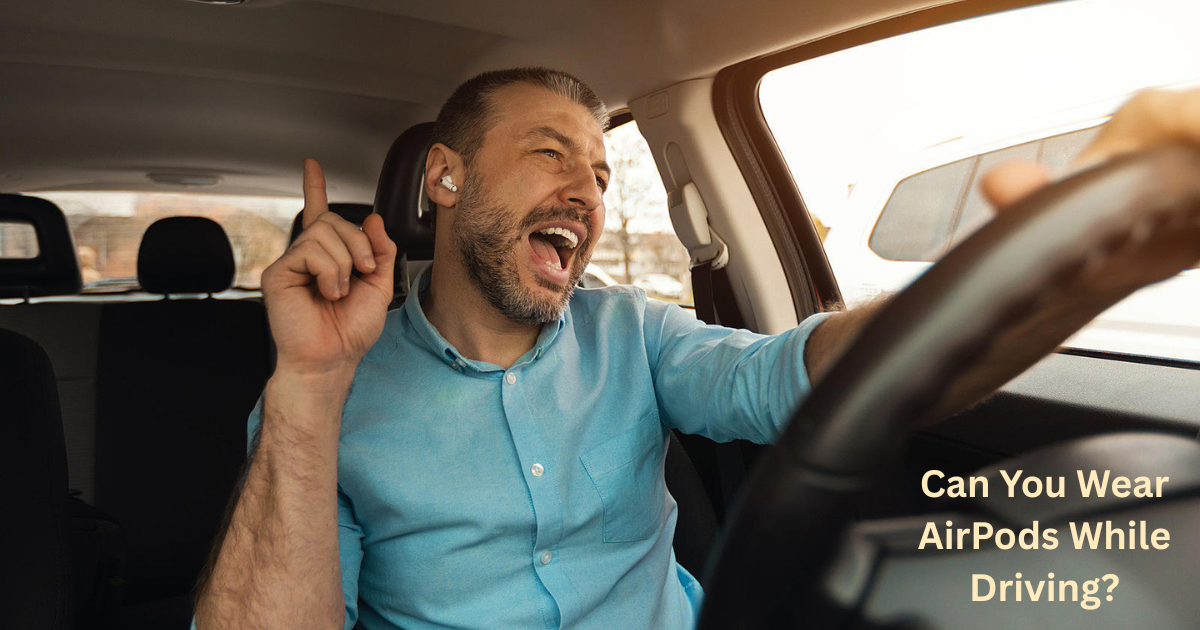
The use of wireless audio devices, particularly AirPods, has surged in popularity among commuters and everyday users alike. As many individuals seek an enhanced audio experience on the go, the question of safety while driving has emerged as a significant concern. Wearing AirPods while driving has generated substantial debate, with opinions varying on whether it can lead to distractions or enhance the driving experience.
The convenience of AirPods allows drivers to take calls, listen to navigation prompts, and enjoy music without having to fumble with wires. However, this convenience raises valid questions about the potential hazards that may accompany their use. With the increasing number of accidents attributed to distracted driving, it is crucial to examine how wearing such devices may impact a driver’s attention and overall road awareness.
This blog post aims to comprehensively address the considerations surrounding the use of AirPods while driving. Readers can expect to learn about the legal regulations in various regions, the research surrounding auditory distractions, as well as safety recommendations for responsible usage. Furthermore, we will explore the technological advancements in noise cancellation and how they might play a role in both enhancing and mitigating risks during driving.
As awareness of driving safety continues to grow, understanding the implications of using Can You Wear AirPods While Driving? behind the wheel becomes essential. Our exploration will provide clarity on how to maintain a safe driving environment while enjoying the benefits that modern audio technology offers. By the end of this guide, drivers will be equipped with the knowledge necessary to make informed choices regarding the use of AirPods in their driving routines.
Understanding Local Laws and Regulations
As personal audio devices like AirPods continue to gain popularity, understanding the legal implications of wearing them while driving is crucial. Different regions have distinct laws regarding the use of headphones or earbuds in vehicles, which can significantly impact drivers’ safety and responsibility.
In the United States, for instance, laws vary from state to state. Some states explicitly prohibit the use of headphones while driving, citing concerns about impaired auditory awareness. For example, in California, drivers are forbidden from wearing both headphones, while those using a single earbud may not face penalties. Conversely, other states may allow the use of personal audio devices under specific conditions, such as ensuring that only one ear is covered, thereby maintaining some level of awareness of surrounding traffic.
Internationally, regulations can further differ. In the United Kingdom, for example, while there is no outright ban on using earbuds, drivers can be prosecuted for driving without due care and attention if they are found to be distracted by their audio devices. It underscores the importance of understanding local regulations, as drivers could face legal repercussions for failing to adhere to them.
Safety Considerations When Driving with AirPods
As the popularity of wireless headphones such as AirPods increases, many drivers find themselves questioning whether it is safe to wear them while operating a vehicle. One of the primary concerns with wearing AirPods during driving is the impact on auditory awareness.
Drivers rely heavily on their hearing to detect critical sounds in their environment, such as emergency vehicle sirens, approaching cars, or even the sound of an approaching pedestrian. By wearing headphones, there is a risk that these important audio cues may be muffled or altogether missed, potentially leading to hazardous situations.
Furthermore, auditory distractions can significantly detract from a driver’s focus. Engaging with music or phone calls through Can You Wear AirPods While Driving? divert attention from the road, increasing the likelihood of accidents. It is essential to consider that the auditory stimuli that surround a driver provide valuable context about their environment, and excessive volume levels or prolonged use of headphones can impair one’s ability to hear these cues clearly.
Drivers must strike a balance between personal convenience, such as listening to music for enjoyment or podcasts for information, and the necessity of remaining attuned to their surroundings.
Benefits of Using AirPods While Driving
Using AirPods while driving offers several distinct advantages that cater to the modern driver’s needs. One of the primary benefits is hands-free calling. This feature allows drivers to engage in phone conversations without physically holding their devices, thereby reducing distractions and enhancing road safety. By simply using voice commands or tapping on the AirPods, drivers can easily answer or place calls, ensuring that their hands remain on the steering wheel and their focus on the road.
Another significant advantage of using AirPods while driving is navigation assistance. Many drivers rely on GPS applications for real-time directions. With AirPods, instructions can be delivered directly into the driver’s ears without needing to glance at the phone’s screen. This auditory navigation helps maintain awareness of the surroundings while ensuring efficient route management, ultimately contributing to a smoother driving experience.
Additionally, AirPods enable drivers to enjoy music, podcasts, or audiobooks without disturbing passengers or affecting vehicle dynamics. The ability to access their preferred audio content can enhance the driving experience significantly. This is particularly beneficial during long commutes or road trips, where entertainment can alleviate monotonous driving conditions. Furthermore, individuals can effortlessly share their audio experience with passengers by switching modes, ensuring that everyone can enjoy the journey together.
Moreover, AirPods are designed for comfort and convenience, making them ideal companions during driving. With their wireless feature, they eliminate the hassle of tangled cords. As drivers navigate through city traffic or long highways, having a seamless audio experience combined with hands-free capabilities becomes invaluable. Thus, incorporating AirPods into driving routines can significantly enhance both safety and enjoyment on the road.
Drawbacks of Wearing AirPods while Driving
The use of AirPods while driving poses several significant drawbacks that can compromise safety on the road. One of the most pressing concerns is distraction. Engaging with audio content through earbuds, whether it be music, podcasts, or phone calls, can divert a driver’s attention from essential driving tasks. When a driver is focused on adjusting the volume or navigating through playlists, their ability to react swiftly to changing road conditions is diminished, increasing the likelihood of an accident.
Additionally, wearing AirPods can lead to reduced situational awareness. Drivers rely heavily on their auditory senses to detect important environmental cues, such as sirens from emergency vehicles, honks from other drivers, or even a sudden change in road conditions. By partially or completely obstructing these sounds, drivers may fail to notice critical safety signals. This lack of awareness can have dire consequences, especially in high-traffic areas or when maneuvering through intersections.
Moreover, the potential for increased risk of accidents cannot be overlooked. Studies have indicated a correlation between the use of headphones while driving and an elevated incidence of traffic incidents. The Federal Communications Commission (FCC) emphasizes the importance of remaining alert and fully engaged while operating a vehicle. When drivers choose to wear AirPods, they essentially compromise their ability to maintain full attention on the road, which, in turn, heightens the chances of collision or other unforeseen events.
In light of these concerns, it is crucial for drivers to evaluate whether the enjoyment of audio experiences through AirPods is worth the potential hazards it introduces on the road. Safety should always come first, and the convenience of wireless earbuds must not take precedence over attentiveness and caution while driving.
Best Practices for Using AirPods While Driving
Using AirPods while driving can be convenient, but safety should always come first. If you choose to use them, it’s important to follow a few smart practices to avoid distractions and stay aware of your surroundings.
First, consider using only one AirPod instead of both. This allows you to hear important sounds like sirens, horns, or traffic noise. Keeping one ear open helps maintain better awareness of what’s happening on the road.
Second, keep the volume low. Loud audio can block external sounds and slow your reaction time. You should be able to clearly hear your environment even while listening to music or taking a call.
Third, use AirPods mainly for hands-free calls or navigation, not for music that might distract you. Avoid changing tracks, answering messages, or adjusting settings while driving. If you need to do something, pull over safely first.
Also, make sure your phone is set up before you start driving. Turn on voice controls like Siri so you don’t have to touch your phone while on the road.
Most importantly, always check local laws. Some regions restrict or ban the use of earbuds or headphones while driving. Knowing the rules can help you avoid fines and drive more responsibly.
Alternatives to AirPods for Driving
While AirPods provide a convenient way to enjoy music or make calls on the go, there are alternatives that may enhance safety for drivers. Utilizing built-in car audio systems is a prominent choice. Most modern vehicles come equipped with systems that seamlessly integrate with smartphones via Bluetooth. This feature allows users to control music and answer calls using their car’s controls, minimizing distractions and keeping hands on the wheel.
Moreover, Bluetooth speakers represent another viable option for audio playback while driving. These portable devices can be mounted in the car and can effectively amplify sound without the need for earphones. They usually come equipped with voice-activated controls, enabling drivers to manage music and calls with simple voice commands. This maintains driver awareness and contributes to safer driving conditions.
Traditional car audio systems also deserve consideration. Many drivers revert to using their car’s built-in functionality, such as AM/FM radio or CD players. These options eliminate any potential distraction posed by wireless devices. Additionally, users with older vehicles might invest in aftermarket radio systems that offer Bluetooth capability. Such systems enable drivers to stay connected without compromising safety, allowing hands-free communication without the necessity of wearing AirPods or other earphones.
Ultimately, the key to a safe driving experience is minimizing distractions. Each of these alternatives, whether it be built-in car systems, Bluetooth speakers, or upgraded traditional audio systems, provides options for safe listening and communication. Prioritizing such choices can help ensure that attention remains focused on driving, fostering a safer environment for both the driver and other road users.
Real Experiences: What Drivers Say
Drivers have shared a wide range of real-world experiences when it comes to using AirPods while driving. Some say wearing one AirPod for navigation or short hands-free calls feels manageable, especially in light traffic. They believe it helps them stay connected without holding a phone, which they see as a safer option.
However, many drivers report that even minimal audio can become distracting. Several mention missing important sounds like emergency sirens, honking, or changes in traffic flow. A few drivers admitted they felt more confident than they should have—until a close call made them rethink using AirPods behind the wheel.
Others strongly prefer using their car’s built-in Bluetooth system instead. They say it feels safer because sound comes through the speakers without blocking their ears, allowing them to stay more aware of their surroundings. Drivers who switched to this option often describe it as a noticeable improvement in focus and reaction time.
Overall, real driver experiences highlight one clear takeaway: awareness matters more than convenience. While some drivers feel comfortable using AirPods in limited situations, many agree that any distraction—even a small one—can increase risk. Listening to these real experiences can help drivers make safer, more informed choices on the road.
Conclusion
In this blog post, we have explored the intricate relationship between the use of AirPods and safe driving practices. As we examined, the primary concern lies in the potential distractions that these wireless earbuds may pose. While they offer convenience and allow drivers to listen to music or take calls, utilizing AirPods can lead to decreased awareness of one’s surroundings, significantly heightening the risk of accidents.
Furthermore, we discussed various regional regulations surrounding the use of headphones while driving and Can You Wear AirPods While Driving? The laws differ from place to place, with some jurisdictions outright banning the use of any headphones, including AirPods, to foster safe driving environments. Thus, it is essential for drivers to familiarize themselves with local laws to avoid legal repercussions.
Moreover, the responsible use of technology while driving remains a vital consideration. Emphasizing a balanced approach, we encourage readers to evaluate their personal driving habits. If wearing AirPods leads to distractions or compromises your ability to respond to external stimuli, it may be prudent to forgo them while on the road.
