

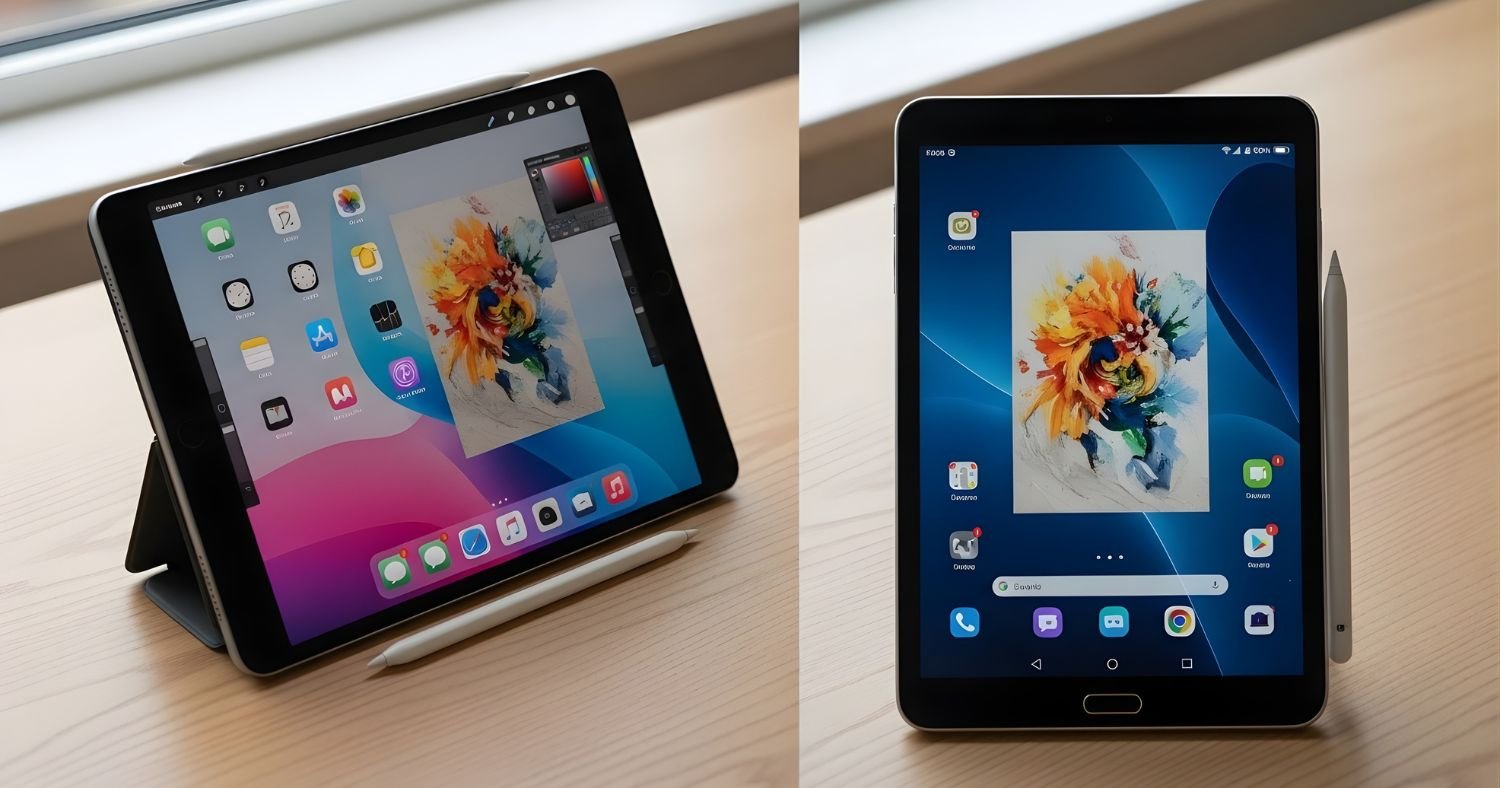
The world of portable devices has exploded in recent years. Among the most popular choices are between iPad and tablet computers, each bringing unique features to the table. But what really sets them apart?
If you’ve ever found yourself confused about which one is right for you, you’re not alone. With so many options available, it’s essential to understand their similarities and differences before making a decision.
Whether you’re an avid Apple fan or simply curious about tablets as a whole, this post will guide you through everything you need to know. From operating systems to performance metrics, we’ll break down the key aspects that make between iPad and other tablets distinct from each other. So let’s dive in!
Similarities between iPad and Tablet Computers
Both iPads and tablet computers share a common purpose: they are portable devices designed for convenience. Users can browse the internet, stream videos, or read e-books with ease on both platforms.
Touchscreen functionality is another shared feature. This intuitive interface allows for smooth navigation, making it user-friendly for all ages.
Furthermore, both types of devices support a variety of accessories like keyboards and styluses. These additions enhance productivity and creativity.
Battery life tends to be comparable as well. Both can last several hours on a single charge, ideal for on-the-go usage.
Whether you choose an between iPad or any other tablet brand, you’ll find similar functionalities in terms of multimedia consumption and social media access. They cater to entertainment needs just as effectively across the board.
Differences in Operating Systems
When it comes to operating systems, iPads run on Apple’s iOS. This system is tailored for sleek performance and seamless integration with other Apple products. Users often appreciate its intuitive interface and robust security features.
On the other hand, tablet computers may operate on various platforms like Android or Windows. Android offers a customizable experience, allowing users to tweak settings according to their preferences. It also has a vast range of devices from different manufacturers.
Windows tablets provide access to familiar desktop software but may lack the app optimization seen in iOS. Each platform creates a distinct user experience that can influence your choice significantly. Whether you lean towards simplicity or flexibility will guide you toward your ideal device option.
Hardware Differences
When it comes to hardware, the distinctions between iPad and traditional tablets are significant. iPads typically boast a more premium build quality. Apple uses high-grade materials that give the device a sleek, sturdy feel.
Processing power is another key difference. Most between iPad come equipped with custom-designed chips like the A-series or M1 processors, which deliver top-notch performance for demanding applications and multitasking.
On the other hand, many tablets run on generic processors. While they can handle everyday tasks well enough, they may struggle with intensive applications or gaming.
Storage options also vary widely. between iPad offer various configurations that cater to different user needs but often lack expandable memory slots found in many Android tablets.
Display technology tends to differ as well. Apple’s Retina displays provide vibrant colors and sharp images, while some budget tablets might use less advanced screens that don’t quite match up in clarity or brightness.
Software and App Availability
When it comes to software and app availability, the differences between iPads and other tablets are striking.
iPads run on Apple’s iPad OS, which offers a curated selection of apps optimized for the device. The App Store is renowned for its quality control, meaning most applications function seamlessly. Popular tools in creative fields often debut here first.
On the flip side, Android tablets tap into Google Play’s vast ecosystem. This platform houses millions of apps, catering to diverse needs and preferences. However, not all apps are tailored specifically for tablet use; some may appear as stretched smartphone versions.
Windows-based tablets provide access to traditional desktop software alongside touch-friendly applications. While this versatility can be appealing, it sometimes results in less optimized user experiences compared to dedicated tablet environments.
In essence, choosing an iPad or another tablet boils down to what kinds of apps you prioritize in your daily life.
Price Comparison
When it comes to price, there’s a noticeable gap between iPads and other tablet options. between iPad tend to be on the higher end of the spectrum, reflecting their premium design and build quality. You might pay extra for that sleek aluminum casing or Retina display.
On the flip side, many tablets are available at various price points. Budget models can be found for under $100, offering basic functionality perfect for casual users.
However, remember that cheaper doesn’t always mean better value. Some lower-end tablets may lack essential features or processing power.
For those willing to invest in quality, an between iPad offers longevity and performance that can justify its cost over time. It’s important to weigh what you need against your budget when exploring your options in the ever-evolving world of devices.
Pros and Cons of iPads vs Tablets
When weighing the pros and cons of iPads versus tablets, it’s essential to consider various aspects that impact user experience.
iPads offer a sleek design and robust build quality. They provide seamless integration with other Apple devices, making them ideal for those entrenched in the Apple ecosystem. The App Store is rich with high-quality applications optimized for iPad.
On the flip side, traditional tablets often come at a more affordable price point. They run on diverse operating systems like Android or Windows, offering flexibility in terms of customization and software options.
However, many budget tablets may lack the same processing power or display quality as an iPad. Furthermore, while they have access to extensive app libraries, not all applications are tailored specifically for tablet use.
Your choice might depend on what features matter most to you: premium performance or cost-effectiveness.
Which is Right for You?
Choosing between an iPad and a tablet depends largely on your needs. If you’re deeply integrated into the Apple ecosystem, an iPad might be the best fit. It syncs seamlessly with other Apple devices, making it convenient for users who already own products like MacBooks or iPhones.
On the flip side, if you’re looking for flexibility and variety in hardware options, a standard tablet could serve you better. They come in numerous brands and configurations to suit different preferences.
Consider how you’ll use the device. For creative tasks like digital drawing or video editing, an iPad offers robust apps tailored for those activities. Conversely, if web browsing and streaming are priorities, many tablets provide excellent performance at lower prices.
Think about budget too. An iPad typically commands a higher price point than many entry-level tablets but often delivers superior longevity and resale value down the line.
Performance and User Experience Comparison
When it comes to performance, iPads generally offer a seamless experience. Powered by Apple’s A-series chips, they handle multitasking and demanding applications with ease. Users often notice quicker load times and smoother navigation.
On the other hand, tablets vary widely in performance based on brand and specifications. Some Android tablets can compete closely with iPads, but many entry-level options struggle under heavier workloads.
User interface plays a crucial role as well. The iPad’s iOS is designed for simplicity and intuitiveness, making it user-friendly right out of the box. Many find that transitioning from laptop to iPad feels natural.
Android tablets provide more customization options but may require a learning curve for new users. Each platform has its strengths—whether that’s speed or flexibility—but your comfort level may dictate which performs best for you in everyday use.
Which One Should You Choose?
Choosing between an iPad and a tablet depends on your specific needs. If you’re deeply integrated into the Apple ecosystem, an between iPad could enhance your experience with seamless connectivity to other devices.
On the flip side, if budget is a major factor, Android tablets often offer more variety at lower price points. They can cater to casual users or those who want flexibility in hardware options.
Consider what you’ll primarily use the device for. For creative tasks like graphic design or music production, an iPad provides powerful apps that might not be available on standard tablets.
For general browsing or streaming content, many affordable tablets perform well without breaking the bank. Think about storage capacity too; some tablets come with expandable memory while most between iPad do not.
Weigh these aspects against how much you’re willing to invest—both financially and time-wise—in learning new software or adjusting your workflow.
Conclusion
When choosing between an Portable tablet and a traditional tablet, it’s essential to weigh the features that matter most to you. Each device has its strengths and weaknesses. The between iPad often excels in build quality, app optimization, and ecosystem integration with other Apple products. Meanwhile, tablets provide more variety in terms of price points, operating systems, and customizable options.
If you prioritize seamless performance for creative tasks or prefer a robust selection of apps specifically designed for touch interfaces, the between iPad might be your best bet. However, if you’re looking for budget-friendly alternatives or specific functionalities not found on between iPad —like certain Android features—a tablet could meet your needs better.
Understanding what each device offers can help you make an informed decision tailored to your lifestyle. Whether it’s an iPad or another tablet model you’re leaning towards will depend on personal preferences regarding usability and functionality. Choose wisely based on how you’ll use it day-to-day!
